


PROTOKÓŁ CHRISTINA
Przebarwienia i nierówny koloryt
Cztery kroki linii Illustrious, ułożone w kolejności stosowania. Możesz wziąć cały protokół albo pojedynczy produkt.

Czego potrzebuje skóra z przebarwieniami
- Regularnego, ale łagodnego złuszczania — żeby przyspieszyć wymianę naskórka bez podrażnienia
- Składników pracujących nad kolorytem, stosowanych codziennie, nie akcyjnie
- Nawilżenia — odwodniona skóra gorzej znosi składniki aktywne
- Ochrony przeciwsłonecznej każdego dnia, także zimą i w pochmurny dzień
- Czasu — przebarwienia reagują wolniej niż większość innych problemów skórnych
Skąd biorą się przebarwienia — pełne wyjaśnienie

Hyperpigmentation is the second most common skin problem after acne.
Hyperpigmentation — sun spots, melasma, post-inflammatory hyperpigmentation (PIH), freckles, hormonal chloasma — affects 65% of women over 30 in Europe. Although not a skin disease, it is psychologically burdensome.
In this guide, we explain the mechanisms of hyperpigmentation formation and show how to systematically reduce it with the Christina Illustrious line.
How does hyperpigmentation form? The biology of melanogenesis

Hyperpigmentation is the overproduction of melanin — the pigment responsible for natural skin color. In the skin, it is produced by melanocytes in response to stimuli: UV, inflammation (e.g., post-acne), hormonal fluctuations, mechanical trauma.
Two key enzymes are involved in this process: tyrosinase converts the amino acid tyrosine into melanin, while TRP-1 and TRP-2 are auxiliary enzymes in eumelanin synthesis. Effective brightening agents act at multiple points in this cascade: they block tyrosinase, inhibit the transfer of melanosomes to keratinocytes, and accelerate the exfoliation of pigment-saturated cells.
5 principles of skin care for hyperpigmentation
1. SPF — no brightener works without it
UV radiation intensifies melanogenesis in just a few minutes. SPF 30–50 daily, mineral or hybrid filters.
2. Vitamin C — brightening antioxidant
Active L-ascorbic vitamin C at a concentration of 10–20% blocks tyrosinase.
3. Niacinamide — gentle brightener
Vitamin B3 at a concentration of 5% reduces melanosome transport.
4. AHA acids + retinol
Accelerate exfoliation. Retinol at low concentrations (0.1–0.3%) accelerates cell renewal.
5. Azelaic and tranexamic acid
Azelaic acid (15–20%), tranexamic acid (3% topically), niacinamide.
Illustrious line — comprehensive hyperpigmentation care
The Illustrious line is Christina's flagship brightening system. Multi-component mechanism of action — simultaneous tyrosinase blockade, reduction of melanin transport, and gentle exfoliation.
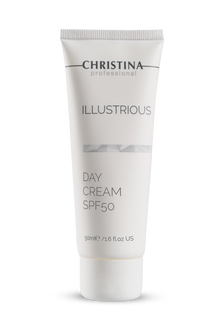
- Illustrious Day Cream SPF 50 — niacinamide + licorice extract
- Illustrious Night Cream — stabilized retinol + time-release AHA acids
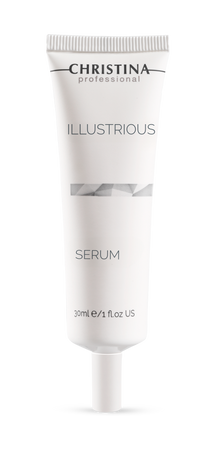
- Illustrious Brightening Serum — vitamin C + niacinamide + tranexamic acid
▸ See the full Illustrious collection
Reference material for professionals
Hyperpigmentation — Christina seminar presentation
A complete guide to the mechanisms of melanogenesis, factors inducing hyperpigmentation, and the depigmentation protocol with the Illustrious line.
▼ PDF Christina AcademyFAQ — Hyperpigmentation
Can I use Illustrious during pregnancy?
During pregnancy and breastfeeding, consult a doctor before use.
When will I see the first effects?
14 days — evening of skin tone. 28–42 days — flattening of PIH. 8–12 weeks — reduction of melasma and sun spots.
Vitamin C or niacinamide — which to choose?
Preferably both together — they act at different stages of melanin synthesis and enhance each other.
Related articles
The content is for informational purposes only.
Twój rytuał Christina na przebarwienia
Kroki ułożone w kolejności nakładania. Krok 1 i 2 rano i wieczorem, krok 3 wieczorem, krok 4 rano.
-
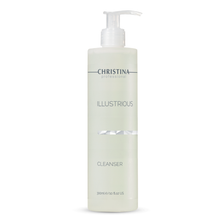
Krok 1 · Oczyszczanie
Cleanser
Rano i wieczorem. Przy skórze reaktywnej zacznij od co drugiego dnia — zawiera kwasy AHA.
$35.00 -
$35.00
-
Krok 3 · Kuracja aktywna
Serum
Wieczorem, na oczyszczoną i stonizowaną skórę. To krok, który pracuje nad kolorytem.
$72.00 -
Krok 4 · Ochrona SPF
Day Cream SPF 50
Rano, jako ostatni krok pielęgnacji. Bez tego pozostałe kroki pracują pod górę.
$72.00
Protokół zawiera 4 produkty
Ceny katalogowe razem $214.00
Rabat pakietowy nalicza się automatycznie w koszyku
Do koszyka trafi 4 produkty — po jednej sztuce każdego kroku. Każdy krok możesz też dodać osobno. Rabat pakietowy nie łączy się z kodami rabatowymi.
Pełna oferta na przebarwienia
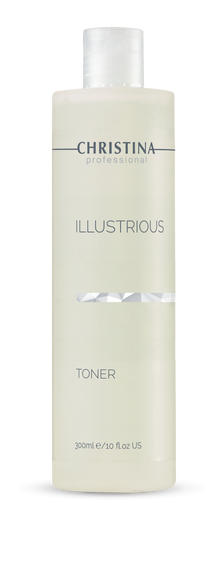
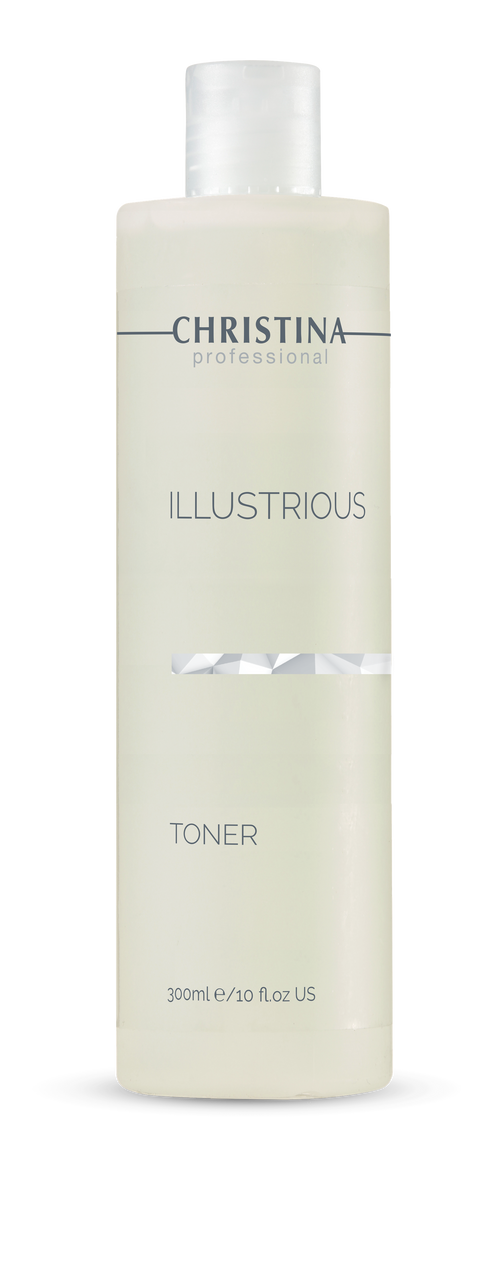
Zobacz wszystkie (41)- Toner$35.00
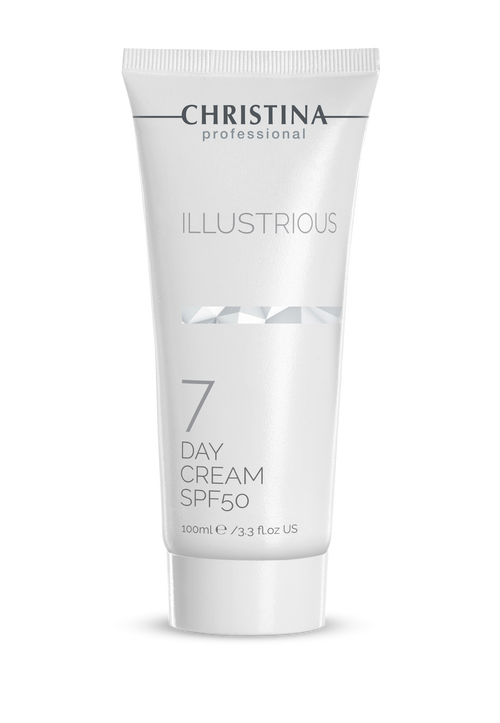
- Illustrious Day Cream SPF 50 (Step 7) — Day cream SPF 50 for hyperpigmentationProdukt profesjonalny
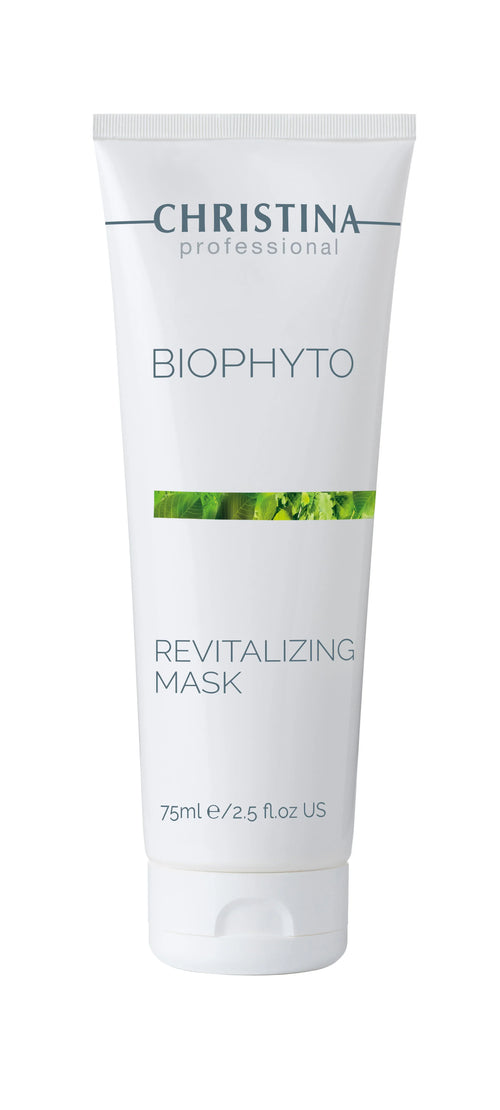
- Revitalizing Mask$33.00
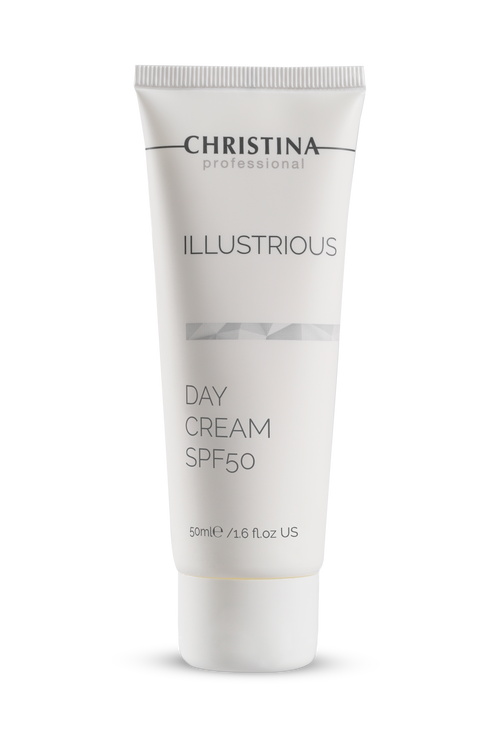
- Day Cream SPF 50$72.00
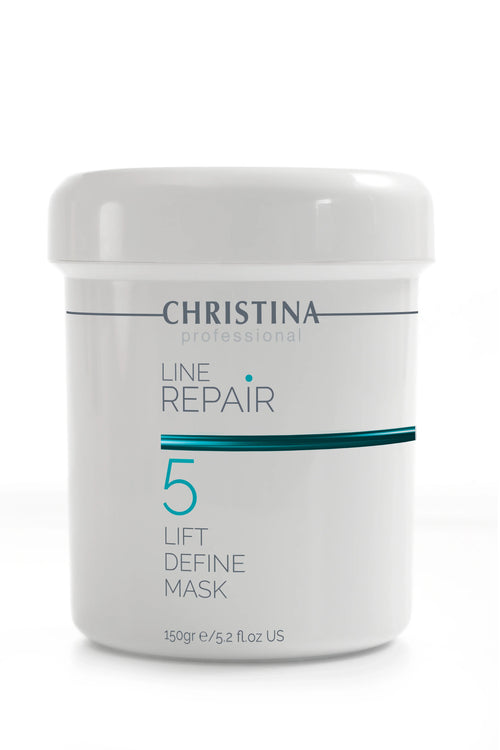
- Lift Define Mask (step 5)Produkt profesjonalny
-
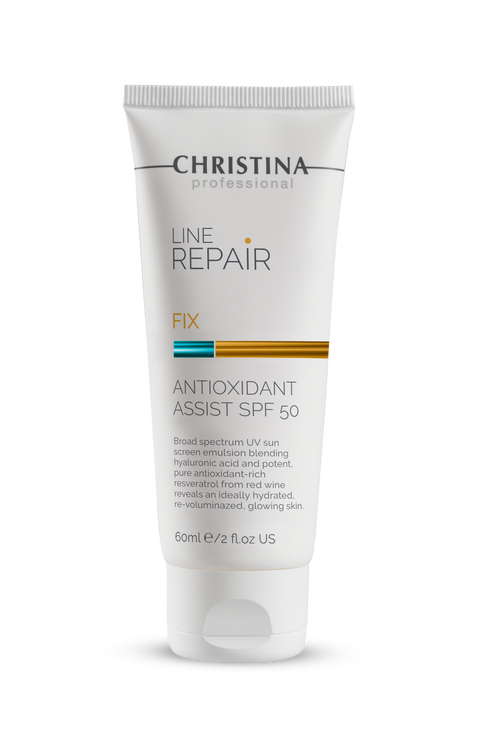
Antioxidant Assist Lotion SPF 50
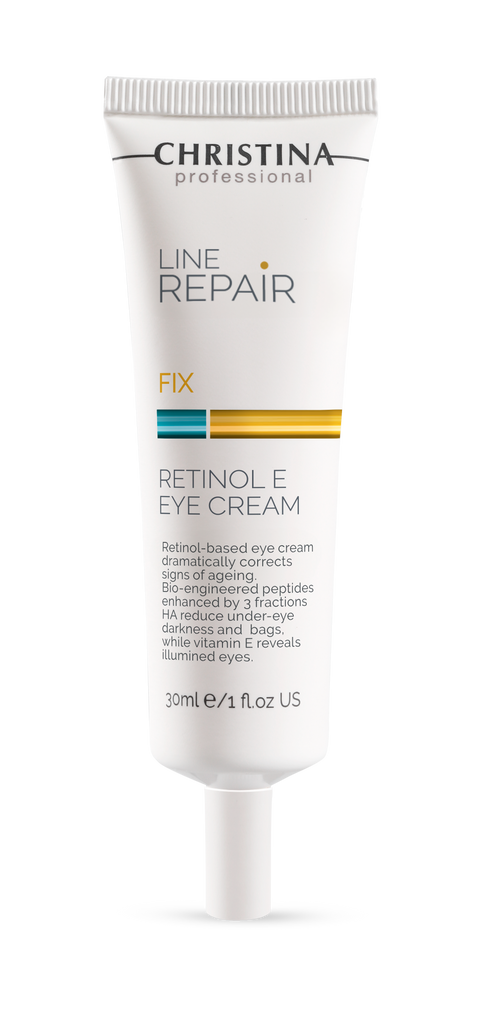
$58.00$29.00 - Line Repair Fix Retinol E Eye Cream — Regenerating eye cream with retinol$59.00
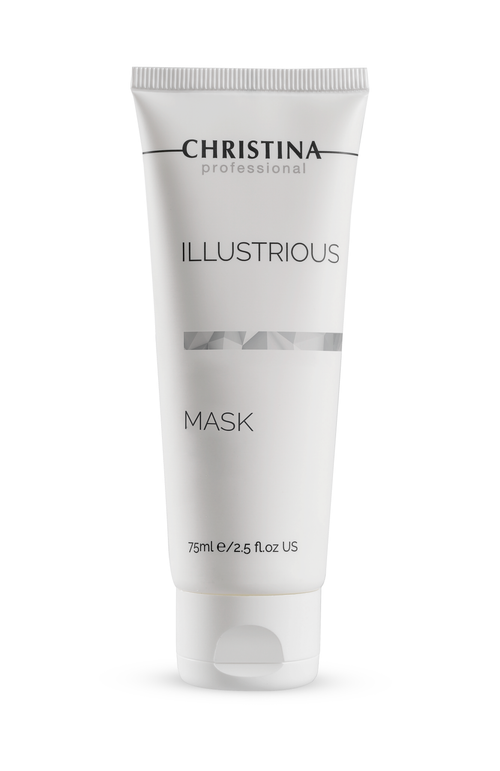
- Mask$44.00
Częste pytania
Czy ten protokół jest dla mnie?
Protokół Illustrious jest przeznaczony dla skóry z widocznymi przebarwieniami i nierównym kolorytem — plamami posłonecznymi, śladami potrądzikowymi, ogólną utratą jednolitego tonu. Jeśli Twoim głównym problemem jest aktywny trądzik, nadwrażliwość albo rumień, właściwszy będzie inny protokół Christina. W razie wątpliwości napisz do nas — dobierzemy pielęgnację do Twojej skóry.
Po jakim czasie zobaczę różnicę?
Naskórek wymienia się średnio co 4–6 tygodni, więc pierwszych zmian w kolorycie szuka się zwykle po pełnym cyklu regularnego stosowania. Przebarwienia są jednym z najwolniej reagujących problemów skórnych — kluczowa jest konsekwencja i codzienna ochrona przeciwsłoneczna. Nie obiecujemy konkretnego procentu poprawy ani terminu; efekt zależy od rodzaju przebarwień, fototypu i ekspozycji na słońce.
Dlaczego SPF jest częścią protokołu, a nie dodatkiem?
Promieniowanie UV pobudza melanocyty do produkcji melaniny — czyli dokładnie tego procesu, który wywołuje przebarwienia. Bez codziennej ochrony przeciwsłonecznej pozostałe kroki pracują pod górę: rozjaśniasz to, co słońce w tym samym czasie pogłębia. Dlatego krem SPF 50 jest w tym protokole krokiem, a nie opcją.
Mam wrażliwą skórę — czy mogę stosować ten protokół?
Żel oczyszczający z tego protokołu zawiera kwasy AHA, więc przy skórze reaktywnej zacznij od stosowania go co drugi dzień i obserwuj reakcję. Serum i krem SPF możesz stosować codziennie. Pełny skład każdego produktu znajdziesz na jego karcie — jeśli wiesz, że jakiś składnik Ci nie służy, sprawdź go przed zakupem albo napisz do nas.
Czy mogę stosować ten protokół w ciąży lub podczas karmienia?
W ciąży i w okresie karmienia piersią skonsultuj stosowanie kosmetyków z lekarzem. Nie wydajemy w tej sprawie własnych rekomendacji — decyzja należy do osoby prowadzącej ciążę, która zna Twoją sytuację.
Jak działa rabat na zestaw i czy łączy się z kodem?
Rabat pakietowy nalicza się automatycznie w koszyku: przy 2 produktach najtańszy z nich jest tańszy o 30%, przy 3 o 55%, przy 4 o 80%, przy 5 i więcej o 99%. Nie trzeba wpisywać żadnego kodu. Rabat pakietowy nie łączy się jednak z kodami rabatowymi — jeśli masz kod, koszyk zastosuje jedną z tych dwóch korzyści, nie obie.